The answer as to what makes for the best season in 2026 is to put April through May or September to October on your calendar; you will be rewarded with daytime temperatures that are agreeable, walking conditions to suit and crowds in check. Then there is winter (June to August) which is fine for outdoor pursuits and clear skies if you do not mind the cold of the morning and evening. You will find summer to be no place for an extended walk with the heat, the odd afternoon storm and activities being closed.
I am Grace Fairchild. I have a practical bent when it comes to travel planning as I do with most things: pack accordingly, do not let a well composed photograph fool you as to the weather and be sure of what you are up against. Uluṟu is no roadside attraction to be made off with in a hurry. It is way out in Central Australia where there is not much shade and a day can go from nippy to very hot before you know it.
Best Time To Visit Uluru In 2026
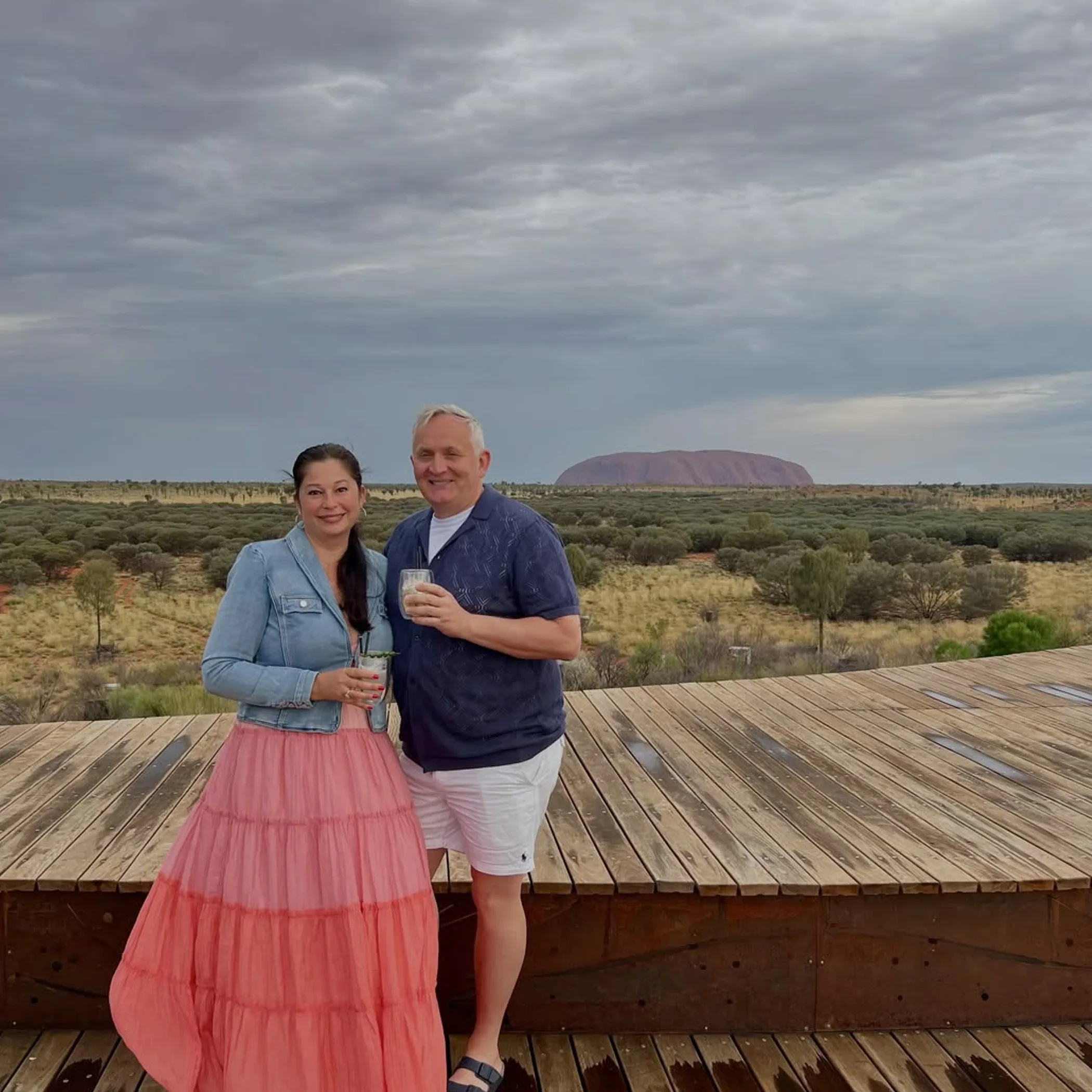
Most will find the shoulder season their best bet, in particular the months of April, May, September and October. They tend to strike a good balance: moderate heat for the day, cooler for a walk, enough daylight for Kata Tjuṯā and Uluṟu and decent viewing for sunrise and sunset. For more detail, see the best seasons to visit Uluru Australia 2026 guide.
If stargazing and hiking are high on your list then winter is the one. Spring has its advantages for wildflowers and a warmer morning, though late in the season it can get hot. Summer is not for the serious walker but those after a short guided tour or some cultural experience at sunset will be fine.
| Season | Months | Typical daytime range | Typical night-time range | For what purpose |
|---|---|---|---|---|
| Autumn | March to May | 22–35°C | 8–22°C | Walking and sightseeing in comfort |
| Winter | June to August | 19–27°C | 3–12°C | Hiking under clear skies, stargazing |
| Spring | September to November | 25–36°C | 9–20°C | Photography, early walks and warm-weather travel |
| Summer | December to February | 30–38°C plus | 17–25°C | Shorter activities for the heat tolerant |
Take these ranges as a broad guide, not a promise. Weather in Central Australia has a habit of changing on a whim and a hot day may present itself sooner than you think. One should consult the forecast and any park alerts from Parks Australia for Uluṟu-Kata Tjuṯā National Park before making plans.
Uluru Weather And Seasons
Being in the desert, the weather here is what it is. There is not much rain but a storm can be dramatic and cause some disruption. Do not make your itinerary around the kind of tropical downpour or Darwin humidity you would find in the Top End, the Red Centre does not operate on those patterns.
More to the point is how the elements will wear on you. With strong sun and little in the way of shade, a walk that seems unremarkable on paper will test you if you have not taken in enough water.
What to expect
In the cooler months the day may be pleasant but come nightfall the temperature can drop. Winter mornings call for a warm layer at sunrise regardless of a mild afternoon. Make a habit of getting out early in summer and use the middle of the day for lunch or an indoor rest.
A town forecast can be deceiving as to what it is like at Uluṟu or Kata Tjuṯā. Wind can put you off an exposed lookout and rain will see roads or tours altered at short notice. Be flexible, there is no need to schedule every hour as if on manoeuvres.
Autumn At Uluru: March To May
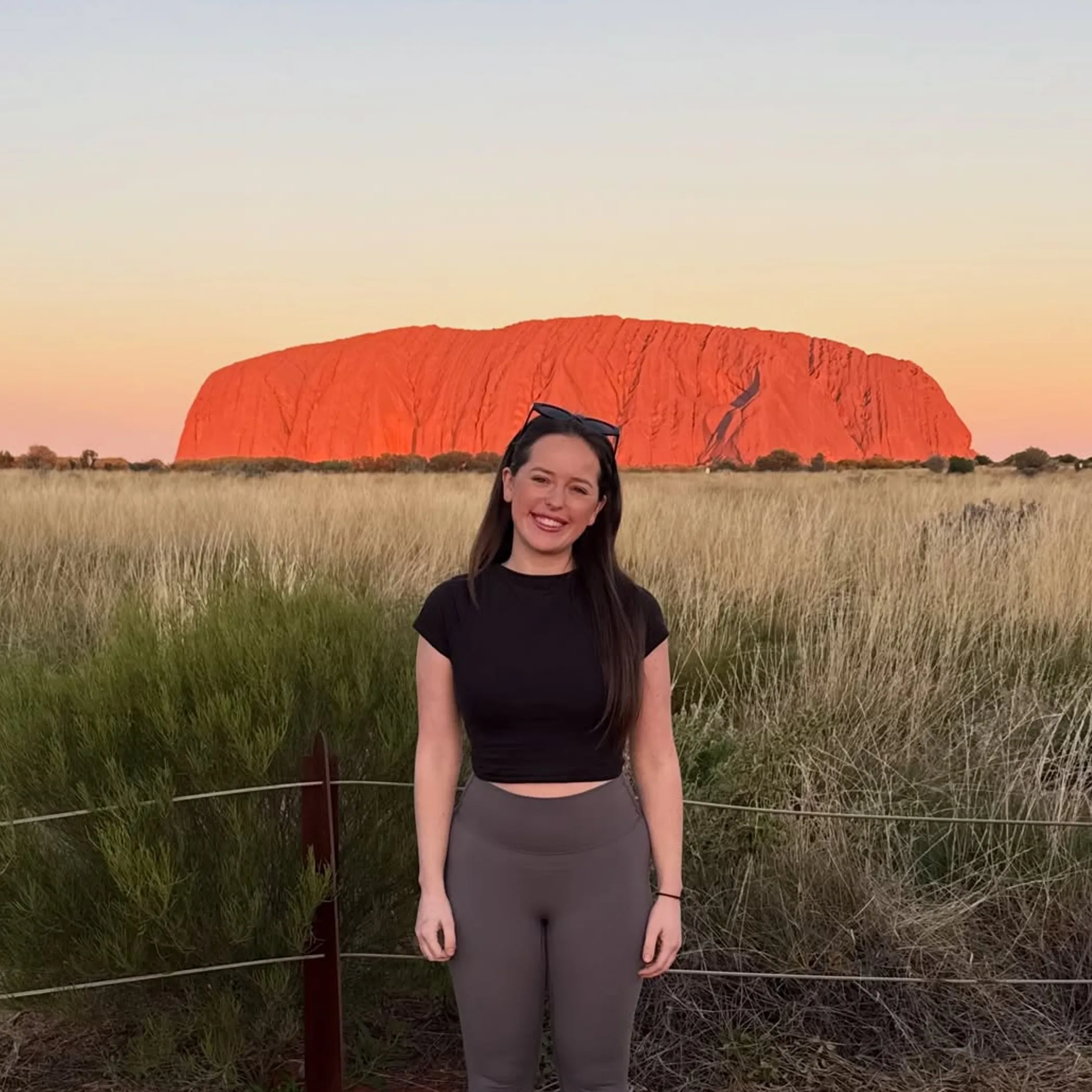
You can rely on autumn for a visit to Uluṟu. While some of the summer lingers in March, April and May are generally more to your liking for a tour or to put the camera to use. Is April a good time to be at Uluru? For a lot of people it is. It is a sensible option; the afternoons are less trying than in summer and you will not be left standing in the extreme heat at sunset. By May you are edging into winter so have a warm jumper for dawn.
Autumn Planning Tips
Families able to make an early start, first timers and those who wish to do both Uluṟu and Kata Tjuṯā will find this season works well. One of the cardinal errors is to pack with warm weather in mind alone. A thin summer wardrobe will not see you through a desert evening with any comfort when it turns cool.
When your plans coincide with a school holiday or an in vogue long weekend, put in for your accommodation and guided tours well in advance. You will find that while crowds are not a given, they do make themselves felt at the better sunrise spots and on popular tour departures. Make allowance for time to park and put in the walk to the viewing area so you can be settled before the light does.
Winter At Uluru: June To August
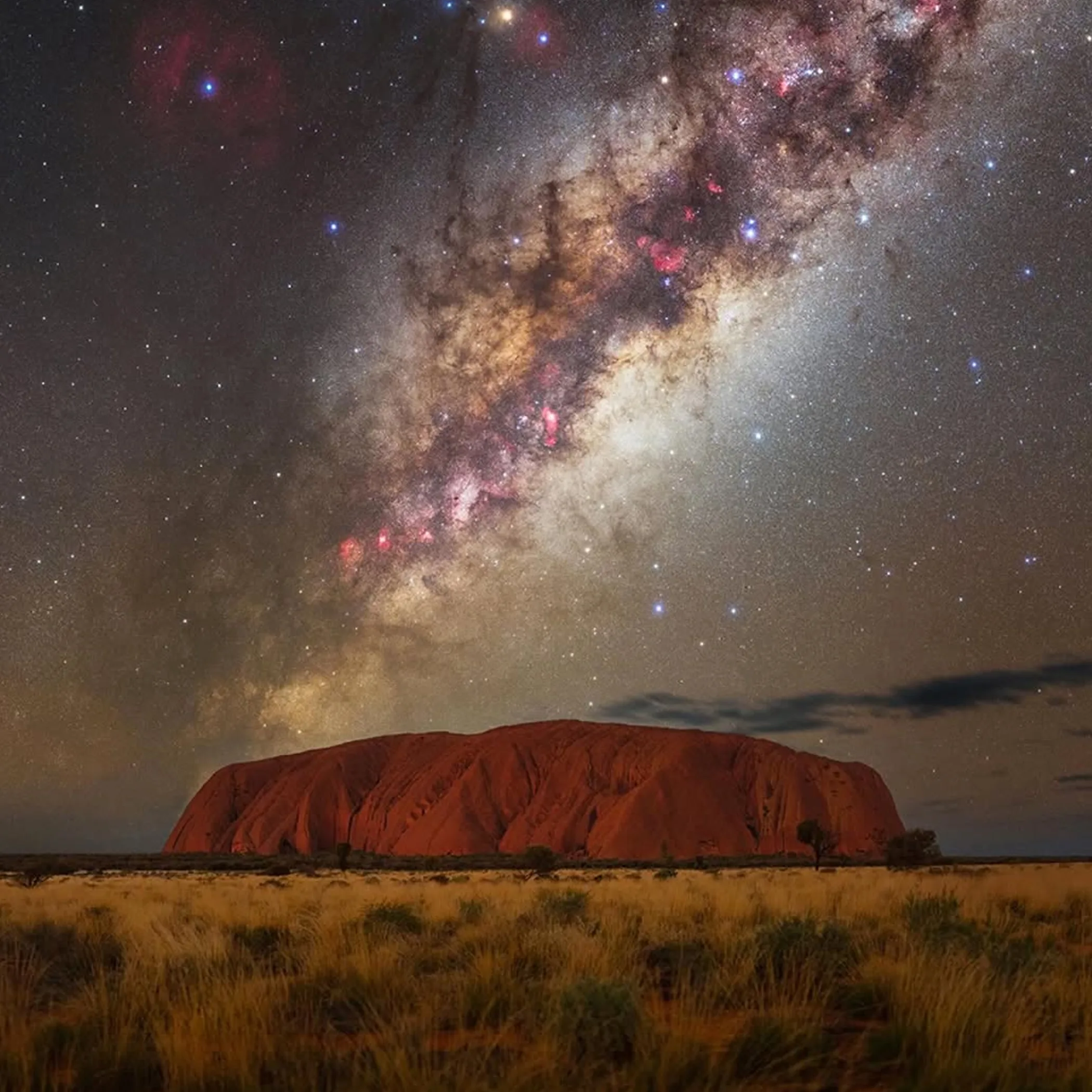
An active traveller will often prefer winter. The dry air lends a certain crispness to the landscape instead of being oppressive, there is more to be done by day in comfortable temperatures and the skies tend to be clear. It is fine weather for stargazing and for the sunrise and sunset as well.
Then again, there is the cold. Night time can see temperatures drop to single digits and below, and one is taken aback by the briskness of an early morning come sunrise. Put on some layers to shed later in the day. You might think a beanie is overkill on leaving your room but it is something to be thankful for at a windy lookout.
Winter Walking And Wildlife
Those wishing to be out of doors for hours will find winter to their liking. Take the Valley of the Winds at Kata Tjuṯā and the uneven ground, steps and exposed parts of the trail, to say nothing of the weather, make for a hard walk. Not everyone is up to it, particularly if mobility is an issue or one has little experience of hiking.
You will not run into many of the snakes that are in Central Australia provided you keep to the marked track, are mindful of where you put your hands and feet and leave wildlife to itself. They are no cause for calling off a trip, just an incentive to act sensibly. Flies are another matter and can be less appealing than the view.
Spring At Uluru: September To November
The days are warmer and longer in spring and after some rain you may have colour to look at. There is no promise of wildflowers though a good season will put in an appearance here and there. Long walks are best left to September; by October and November the heat is on the rise.
As for October, “best time to visit Uluru” is a relative term. The first part of the month is very pleasant for sightseeing and a sunrise walk but an exposed hike in the latter part can be hot. Plan to do your outdoor activities in the morning and leave the afternoon open.
Spring Heat And Timing
Do not be fooled by the mildness at dawn and assume the day will remain so after a cool breakfast. In late morning the track is a different proposition altogether. Have plenty of water, sun protection and heed any advice from staff on closures due to the heat.
It is a good time for a couple or photographer looking for some walking and an agreeable evening, not for someone who has no tolerance for heat and intends to be out in the middle of the day. The sun is not going to accommodate your plans.
Summer At Uluru: December To February
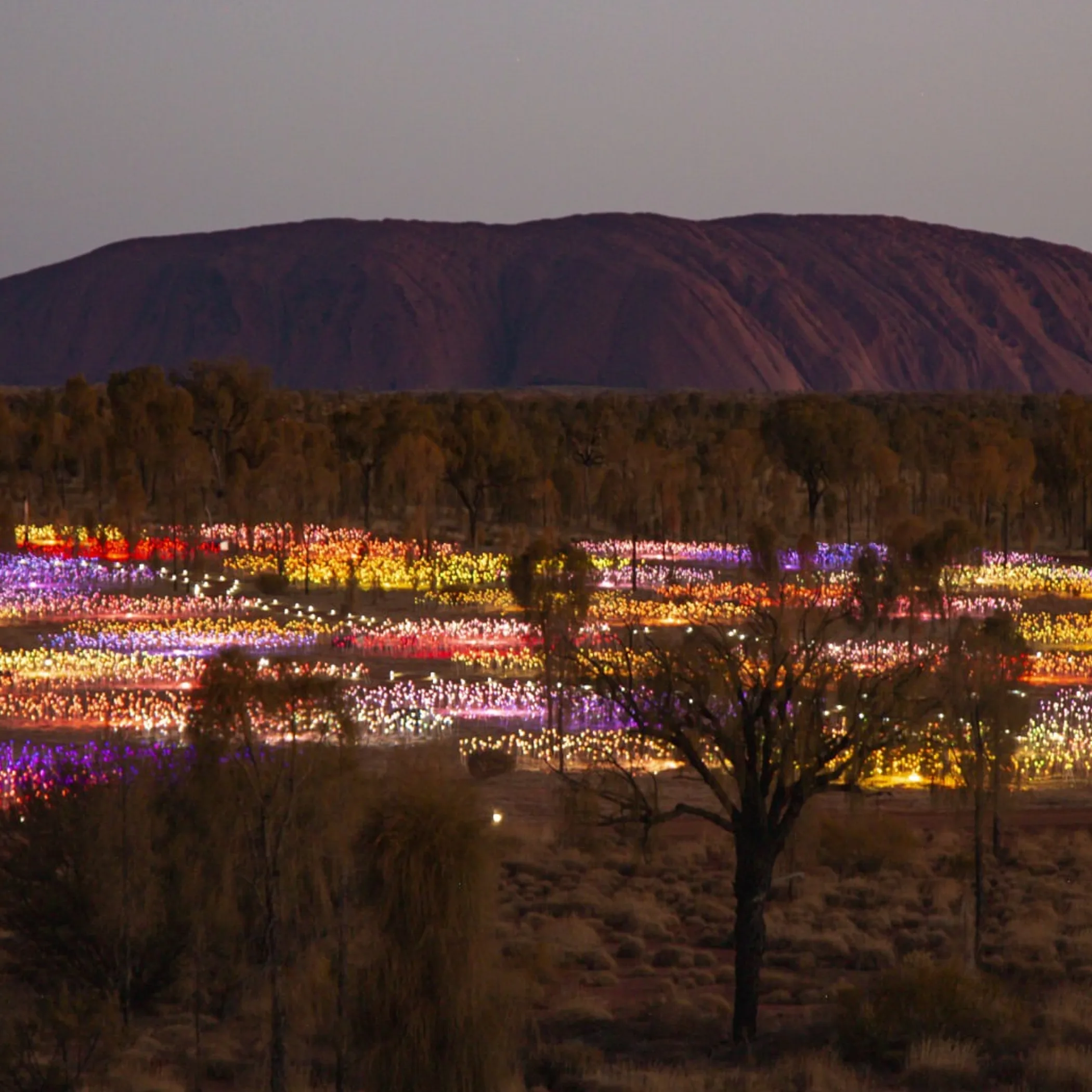
If you want to do much walking, summer is hardly the time for it, certainly not in the height of the day. The heat will put a limit on how long you can be outside and dictate the schedule of your tours, and you may be put out by thunderstorms.
But it is not impossible to get about. With some forethought one can still make the most of a cultural tour, a gallery or a short walk, and of course the sunrise and sunset. Do not make of your holiday an endurance test, use the shade and carry water.
Summer Safety And Closures
A word of advice is to check for any park alerts. Wind, storms or simply the heat may mean some things are off the cards. Bushfire risk can also curtail access in the hotter months so be flexible. Summer is all right if you are short of time and want the Uluṟu experience without the long-distance hiking. Anyone with health issues exacerbated by the heat would do well to take medical counsel and plan accordingly.
Best Season For Outdoor Experiences
For walking, winter and the cooler side of autumn and spring are hard to beat. You can catch a sunrise or sunset any season of the year, though in summer you have to be up earlier and put up with the heat, in winter you need to dress for it. Winter is what you want for stargazing with its dark evenings, assuming you are suitably attired.
| Experience | Recommended timing | What catches people out |
|---|---|---|
| Mala Walk | Cool of the morning or late afternoon | Limited shade, the flies and the heat |
| Valley Of The Winds | A winter or early shoulder season affair | Be prepared for the physical demands, exposure and uneven ground |
| Uluṟu at sunrise | Can be done in any season (layer up in winter) | One is apt to under-estimate the cold and arrive late |
| Uluṟu sunset | All seasons are open to you here | Expect a drop in temperature as well as the crowds and traffic |
| Stargazing | On clear, dry nights in winter | Visibility may be compromised by moonlight, wind and the cold |
There is value in a guided tour for the cultural perspective it provides and to take some of the logistical strain off. Make sure the operator has a respectful way of putting local Anangu culture across and abides by the park’s rules. Uluṟu is more than a big red rock to put in a photograph; it is a place of living culture that puts certain responsibilities on the visitor.
Cheapest And Quietest Times To Travel
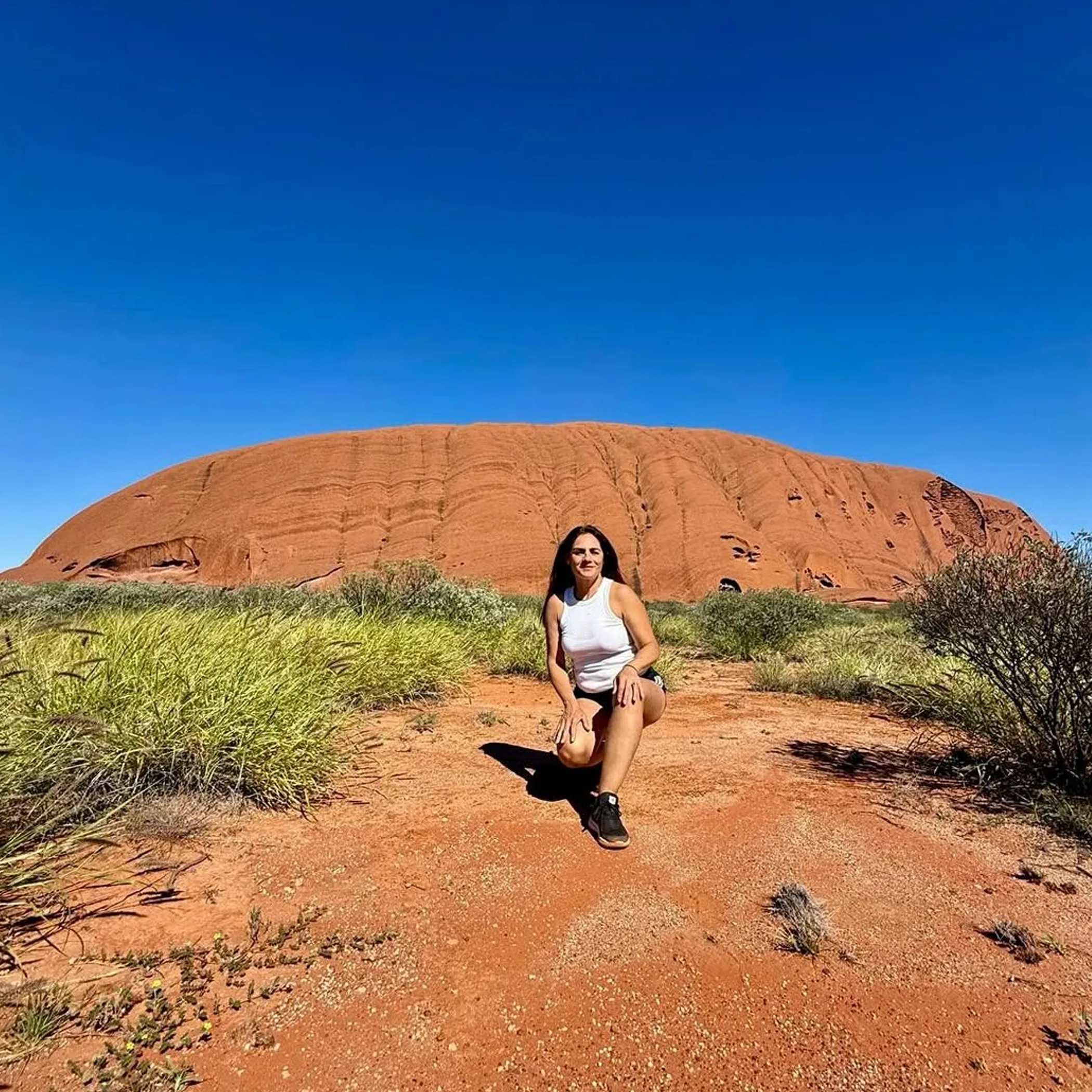
Whether Uluru is cheap to visit is a matter of what is on offer with flights and accommodation, not to mention school holidays and the demand for tours. Do not look for a guaranteed bargain month. In summer you may find rates are lower owing to the heat putting people off, though a less expensive room is of little consequence if you cannot do the activities you have come for in comfort.
To keep things quiet, avoid the peak of winter and the major holiday dates. Put together a realistic budget and factor in all costs from meals and transfers to the tour itself; being so remote, transport and food will run you more than one might think. Leave the optimistic internet folklore at home.
Reality Check
You may have the notion of an unstructured day strolling about Uluṟu. In practice you will be making plans for the water, the heat, transport and activity notices, not to mention the time of sunrise.
One night seems sufficient to some. A full day will see you through the essentials, yet two or three are called for to get to Kata Tjuṯā, put in a couple of guided experiences and accommodate the weather without the whole trip turning into a hurried tick-box exercise.
Some 2026 Planning
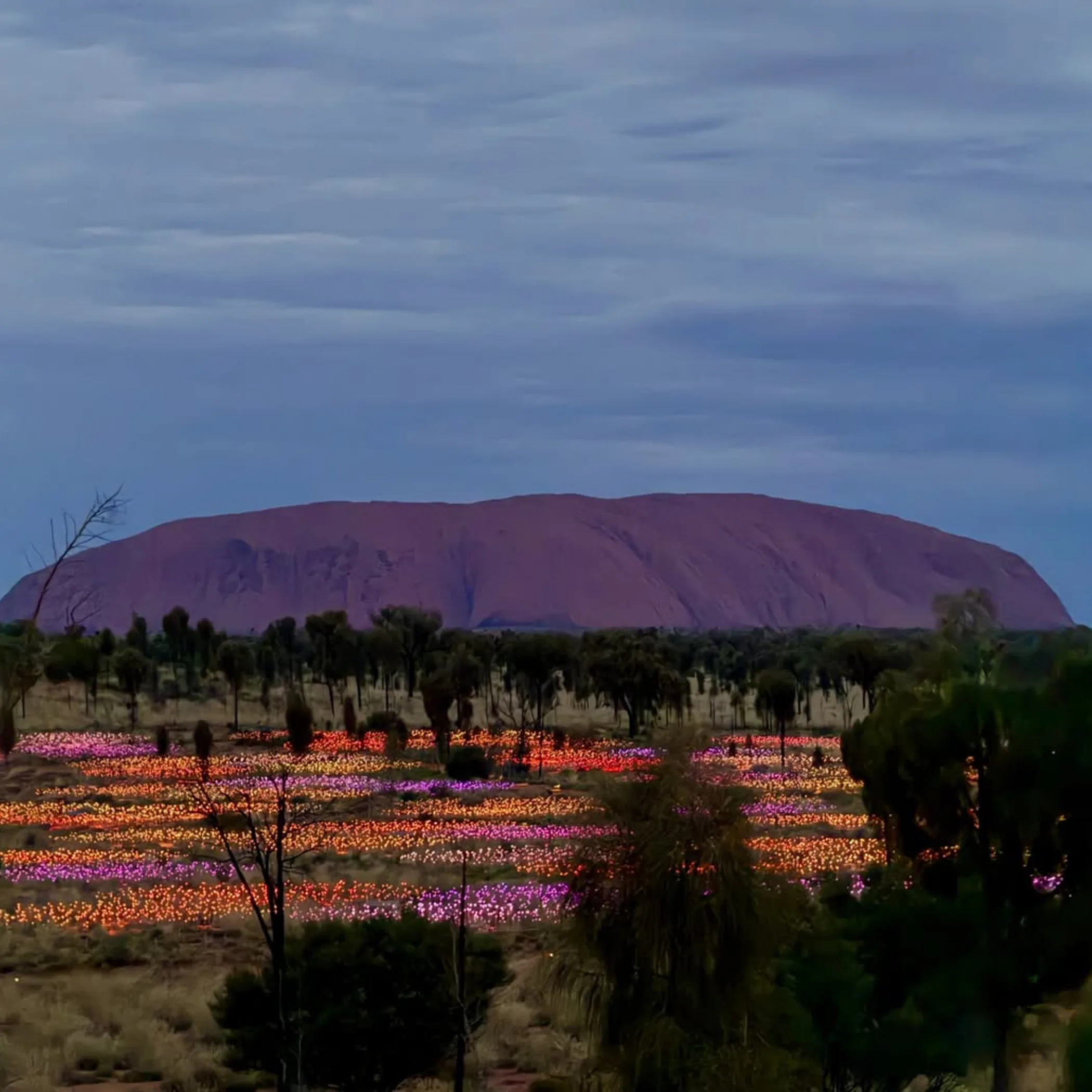
The usual route is via a flight to Ayers Rock (Connellan) Airport then on to your resort by shuttle, hire car or an organised tour. You can drive from Alice Springs on the sealed highways if you like, but it is a considerable distance and calls for proper planning of your vehicle and fuel. It is not a suburban commute on the Stuart Highway or in the desert.
Once at the resort, have your park transport in order. A tour makes for easy navigation and interpretation, a hire car is more flexible for your sunrises and visits to Kata Tjuṯā. See what the parking and return arrangements are for each activity. Mobile and reception are not to be relied upon in every corner so put down your plans with someone and have the pertinent information downloaded.
- Before you head out, look at the forecast and any park alerts.
- Have your water, a warm layer, sun protection and good shoes with you.
- Factor in extra time for a change of conditions or to get to the lookouts for a photo.
- Mind the marked tracks and any cultural guidance.
- Do not go near wildlife and make sure you take your rubbish with you.
If you are only there for the day, make a priority of an early morning at Uluṟu or the Mala Walk and perhaps a sunset if you have the energy and means to get there. Trying to fit in every cultural activity and the Kata Tjuṯā walk as well will have you looking at your watch instead of the view.
With two days you can have Uluṟu one morning and Kata Tjuṯā the next, weather allowing, and put in a leisurely meal or some stargazing. Three nights is the way to go for families or older travellers who would rather not be in a hurry.
Frequently Asked Questions
Travellers tend to ask these before they book. The answers are straightforward but you should verify access and safety as your departure date nears.
What Is The Best Month For Uluru?
Any of April, May, September or the first part of October will give you a good mix of the two. April is comfortable before the winter sets in, and for walking May and August are hard to beat. It comes down to whether you are after cooler nights or less demand.
How Many Days Does One Need?
Two full days minimum. One day will cover the highlights but you will have no margin for fatigue. Two or three nights is better to get around Uluṟu and Kata Tjuṯā and in for a tour without feeling rushed.
Are There Lots Of Snakes?
They are in the region but you are unlikely to come across one. Do not put your hands in rock crevices or holes and stay to the track. Should you see one, just let it be and give it room.
Is It An Expensive Place To Go?
Given the location and the cost of getting there, eating and touring, it can be. You can manage the bill by an early booking and sensible choice of transport and dates. But check the fees first, they are subject to change.
When Is The Worst Time?
For anyone with an eye to long walks, summer is trying, especially when it is hot. Shorter pursuits and cultural side of things are fine if you plan for the heat and are aware of any closures. There is no month that is bad per se, but an ambitious hiking schedule and summer do not make for a good combination.
Pick Your Season
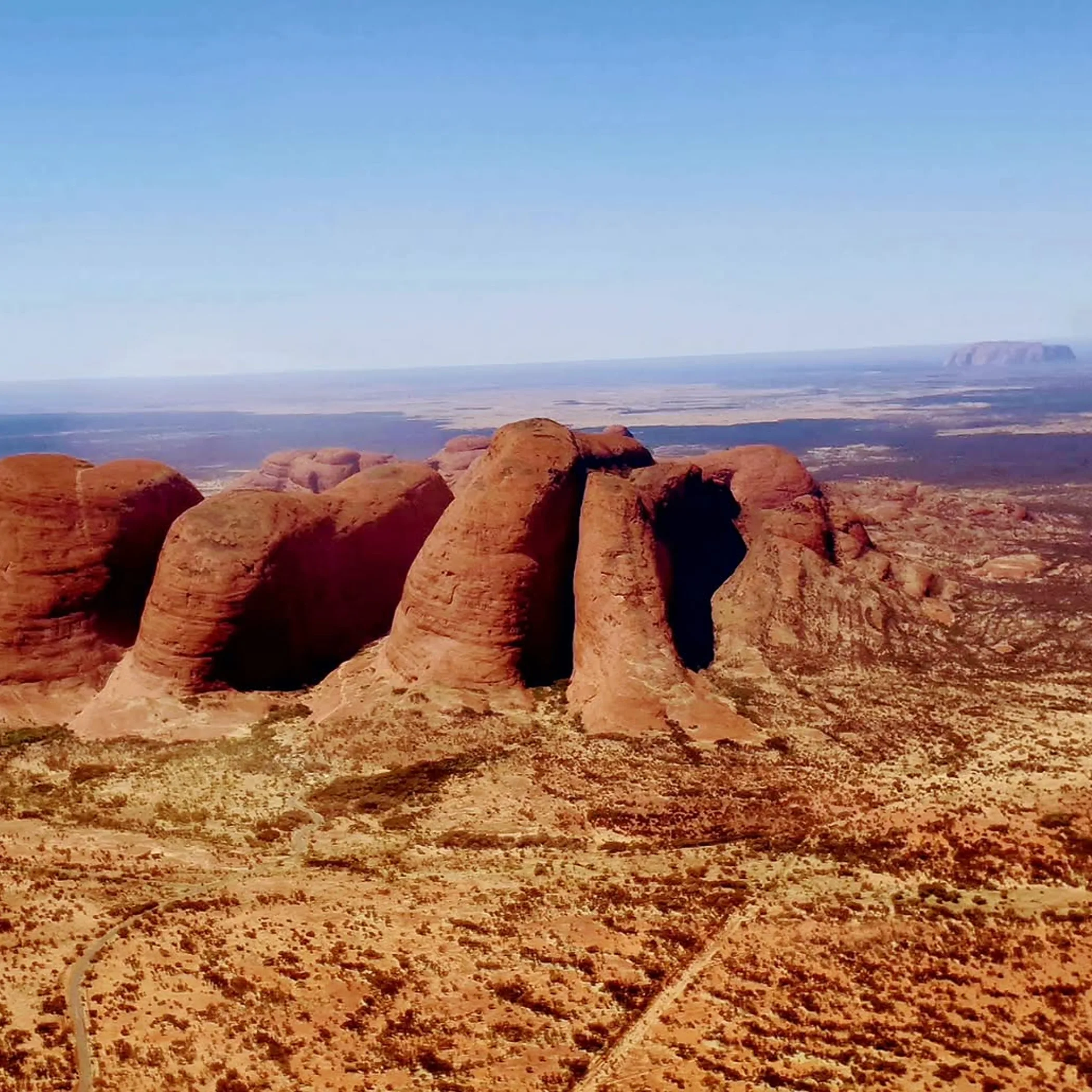
April/May and September/October suit most. If it is stargazing and walking you are after, make it winter. Summer is for those at ease with the heat and an early start and who can be flexible.
Uluṟu is not a place for frantic scheduling. Prepare properly, pack your layers, heed the locals and give yourself enough time for the distances. Then your 2026 trip to the Red Centre will be memorable in the way it ought to be and not because you have left your water in the bush.
